Strategi Bibingka: Ringkasan Konseptual

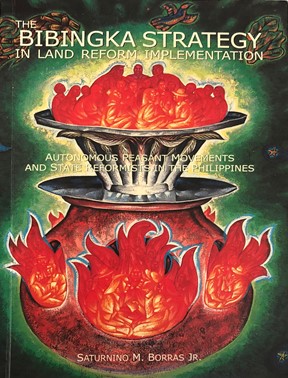
{!{wpv-post-title}!} Author(s): {!{types field=’blog-author’ separator=’, ‘}!}{!{/types}!} Date: {!{types field=’blog-date’}!}{!{/types}!} Country: {!{types field=’country’}!}{!{/types}!} Language(s): {!{types field=’language’}!}{!{/types}!} English version here.   Strategi Bibingka merupakan kerangka kerja yang populer di kalangan organisasi masyarakat sipil di Filipina dalam mendorong reformasi dan mempromosikan akuntabilitas negara. Istilah ini berasal dari kata bibingka, sejenis kue beras khas Filipina yang dimasak dengan meletakkan…

A fish processor in front of the Sendou power plan, laying her catch to dry on the ground. Women like her are seeking remedy for damage done, and accountability from the development banks that funded the plant.

The Accountability-to-Remedy Gap

{!{wpv-post-title}!} Author(s): {!{types field=’blog-author’ separator=’, ‘}!}{!{/types}!} Date: {!{types field=’blog-date’}!}{!{/types}!} Country: {!{types field=’country’}!}{!{/types}!} Language(s): {!{types field=’language’}!}{!{/types}!} French version here.   The historic coastal town of Bargny, located just 35 kilometers south of Dakar, is not merely an urban extension of the Senegalese capital. It is, above all, the sanctuary of a millennia-old Lebou culture and the…

A fish processor in front of the Sendou power plan, laying her catch to dry on the ground. Women like her are seeking remedy for damage done, and accountability from the development banks that funded the plant.

Fossé entre Redevabilité et Réparation

{!{wpv-post-title}!} Author(s): {!{types field=’blog-author’ separator=’, ‘}!}{!{/types}!} Date: {!{types field=’blog-date’}!}{!{/types}!} Country: {!{types field=’country’}!}{!{/types}!} Language: {!{types field=’language’}!}{!{/types}!} Version anglaise ici.   Bargny, cette cité côtière historique située à seulement 35 kilomètres au sud de Dakar, n’est pas qu’une simple extension urbaine de la capitale sénégalaise. C’est avant tout le sanctuaire d’une culture léboue millénaire et le cœur…

Openwashing by Architecture: How AI Reveals Budget Opacity

{!{wpv-post-title}!} Author(s): {!{types field=’blog-author’ separator=’, ‘}!}{!{/types}!} Date: {!{types field=’blog-date’}!}{!{/types}!} Country: {!{types field=’country’}!}{!{/types}!} Language(s): {!{types field=’language’}!}{!{/types}!} Openwashing is usually treated as a comms move. A government claims openness, launches a portal, publishes datasets, and earns reformist credit while the underlying practices remain unchanged. But in public finance, openwashing can be more structural. It can be embedded…

“Wantam”: Kenyans’ Slang for Just One Presidential Term, and Why it Matters

{!{wpv-post-title}!} Author(s): {!{types field=’blog-author’ separator=’, ‘}!}{!{/types}!} Date: {!{types field=’blog-date’}!}{!{/types}!} Country: {!{types field=’country’}!}{!{/types}!} Language(s): {!{types field=’language’}!}{!{/types}!} Author’s Note  This accountability keyword blog analyzes the circulation of “WanTam” as political language and its implications for incumbency norms and democratic accountability in Kenya. It does not endorse any political actor, slogan, or campaign position. It treats WanTam as…

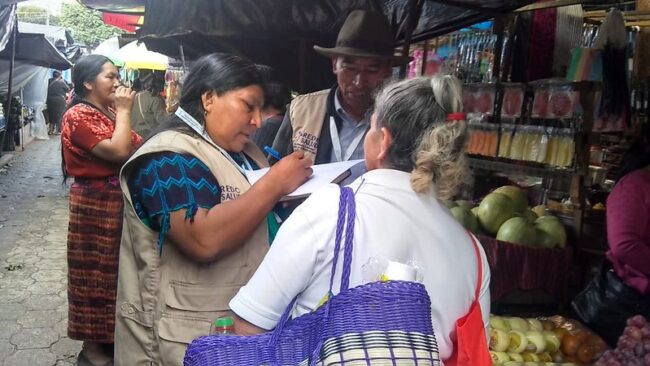
How Communities Can Mobilise Against Corruption in Health: Experiences from Guatemala

{!{wpv-post-title}!} Author(s): {!{types field=’blog-author’ separator=’, ‘}!}{!{/types}!} Date: {!{types field=’blog-date’}!}{!{/types}!} Country: {!{types field=’country’}!}{!{/types}!} Language(s): {!{types field=’language’}!}{!{/types}!} Originally published by: {!{types field=’originally-published-by’}!}{!{/types}!} This blog was first posted by Global Network for Anti-Corruption, Transparency, and Accountability in Health, 7 January 2026. The state of health corruption in Guatemala Bribes, medicine stockouts caused by theft, and workers’ absenteeism—considered forms…

The World Bank’s Civic Test

{!{wpv-post-title}!} Author(s): {!{types field=’blog-author’ separator=’, ‘}!}{!{/types}!} Date: {!{types field=’blog-date’}!}{!{/types}!} Country: {!{types field=’country’}!}{!{/types}!} Language(s): {!{types field=’language’}!}{!{/types}!} Originally published by: {!{types field=’originally-published-by’}!}{!{/types}!} This blog was first posted by the Center for Global Development in September 2025 As you read this, World Bank Group leadership is deliberating on the future of civic engagement. They are considering the proposed…

When Does Responsiveness Add Up to Accountability?

{!{wpv-post-title}!} Author(s): {!{types field=’blog-author’ separator=’, ‘}!}{!{/types}!} Date: {!{types field=’blog-date’}!}{!{/types}!} Country: {!{types field=’country’}!}{!{/types}!} Language(s): {!{types field=’language’}!}{!{/types}!} Version in French | Version in Portuguese | Version in Spanish   How do we know when strategies to promote accountability get traction? If and when the ‘powers that be’ respond to citizen voice, how can we tell when those…

De cumplir a rendir cuentas

{!{wpv-post-title}!} Author(s): {!{types field=’blog-author’ separator=’, ‘}!}{!{/types}!} Date: {!{types field=’blog-date’}!}{!{/types}!} Country: {!{types field=’country’}!}{!{/types}!} Language(s): {!{types field=’language’}!}{!{/types}!} Versión en francés | Versión en inglés  | Versión en portugués   ¿Cómo saber si las estrategias para promover la rendición de cuentas están dando frutos? Cuando los poderes establecidos responden a la voz ciudadana, ¿cómo distinguir si esas respuestas…

Quando a Responsividade Resulta em Responsabilização?

{!{wpv-post-title}!} Author(s): {!{types field=’blog-author’ separator=’, ‘}!}{!{/types}!} Date: {!{types field=’blog-date’}!}{!{/types}!} Country: {!{types field=’country’}!}{!{/types}!} Language(s): {!{types field=’language’}!}{!{/types}!} Versão em espanhol | Versão em francês | Versão em inglês   Como sabemos quando as estratégias para promover a prestação de contas estão avançando? Se, e quando, os “poderes constituídos” respondem à voz dos cidadãos, como podemos saber em…